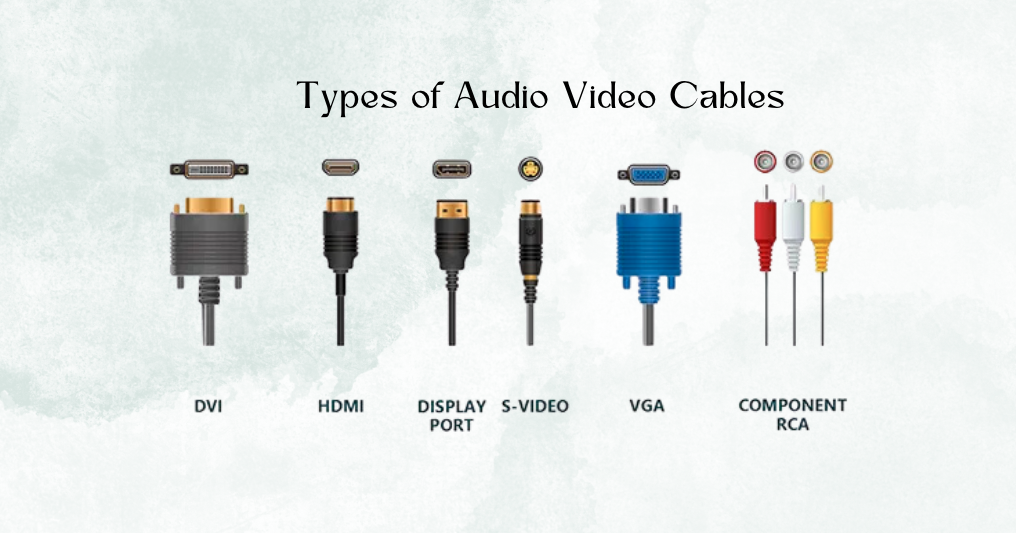
The Different Types of Cables: Which One Do You Really Need?
When it comes to electronics and connectivity, understanding the different types of cables is crucial for optimizing your setup. There are several categories of cables, each serving specific purposes. For example, HDMI cables are essential for transmitting high-definition video and audio from devices like televisions and gaming consoles. Likewise, USB cables are indispensable for connecting peripherals such as keyboards, mice, and printers. Other types you may encounter include Ethernet cables for networking and SATA cables used for connecting storage devices. Knowing these distinctions helps in selecting the right cable for your needs.
In addition to these common types, you may also come across specialized cables tailored to particular applications. For instance, coaxial cables are utilized in cable television and internet setups, while fiber optic cables offer high-speed data transmission over long distances with minimal signal loss. It's vital to assess your requirements before making a purchase: do you need a cable for home entertainment, networking, or data transfer? Each type has its advantages, so evaluating which cable you really need can save you time and ensure optimal performance in your electronic ecosystem.
Counter-Strike is a popular first-person shooter game that has captivated players since its release. With its competitive gameplay and strategic team-based mechanics, it has become a staple in the esports community. Many gamers also look for ways to keep their gear organized, and finding the right accessories can be crucial. For those interested in traveling with gadgets, check out the Top 10 Travel Electronics Organizers to help manage your equipment efficiently.
How Cables Enhance Your Home Network: A Comprehensive Guide
In today's digital age, a reliable home network is essential for seamless connectivity. One of the most significant factors in achieving this is the use of cables. While wireless technology has become popular, cables offer unparalleled speed and stability for your home network. Ethernet cables, such as Cat5e or Cat6, are designed to transmit data at high speeds over long distances. This is particularly important for activities that require high bandwidth, such as online gaming, video conferencing, or streaming HD content. Using cables not only enhances the speed of your internet connection but also minimizes latency and reduces interference, ensuring a smooth online experience.
Additionally, investing in quality cables can significantly impact the overall performance of your home network. When selecting cables, consider the following factors:
- Length: Ensure the cables are long enough to reach your devices without being overly stretched.
- Type: Choose cables that suit your internet speed; for example, Cat6 is better for gigabit connections.
- Shielding: Opt for shielded cables to reduce electromagnetic interference, especially in environments with multiple electronic devices.
The Evolution of Cables: From Traditional to Modern Connectivity Solutions
The evolution of cables has been remarkable, shifting from traditional solutions to modern connectivity options that cater to today's digital demands. Initially, cables such as coaxial and twisted-pair were the backbone of communication systems, enabling the transmission of voice and data over significant distances. As technology progressed, the introduction of fiber optic cables marked a pivotal advancement, allowing for faster speeds and higher bandwidth. The transition from these traditional cables to modern solutions has revolutionized how we connect devices across the globe, driven by the need for greater efficiency and reliability.
In recent years, the emergence of wireless technologies has further transformed the landscape of connectivity. While traditional wired solutions provided stability, modern methods such as Wi-Fi, Bluetooth, and 5G networks have introduced unparalleled convenience, enabling seamless connections without the clutter of cables. Nonetheless, the importance of cables remains undeniable; they are still essential for applications requiring high data transfer rates and security. As we look towards the future, understanding this evolution of cables will help us appreciate the intricate balance between traditional and modern technologies in fostering interconnectedness.