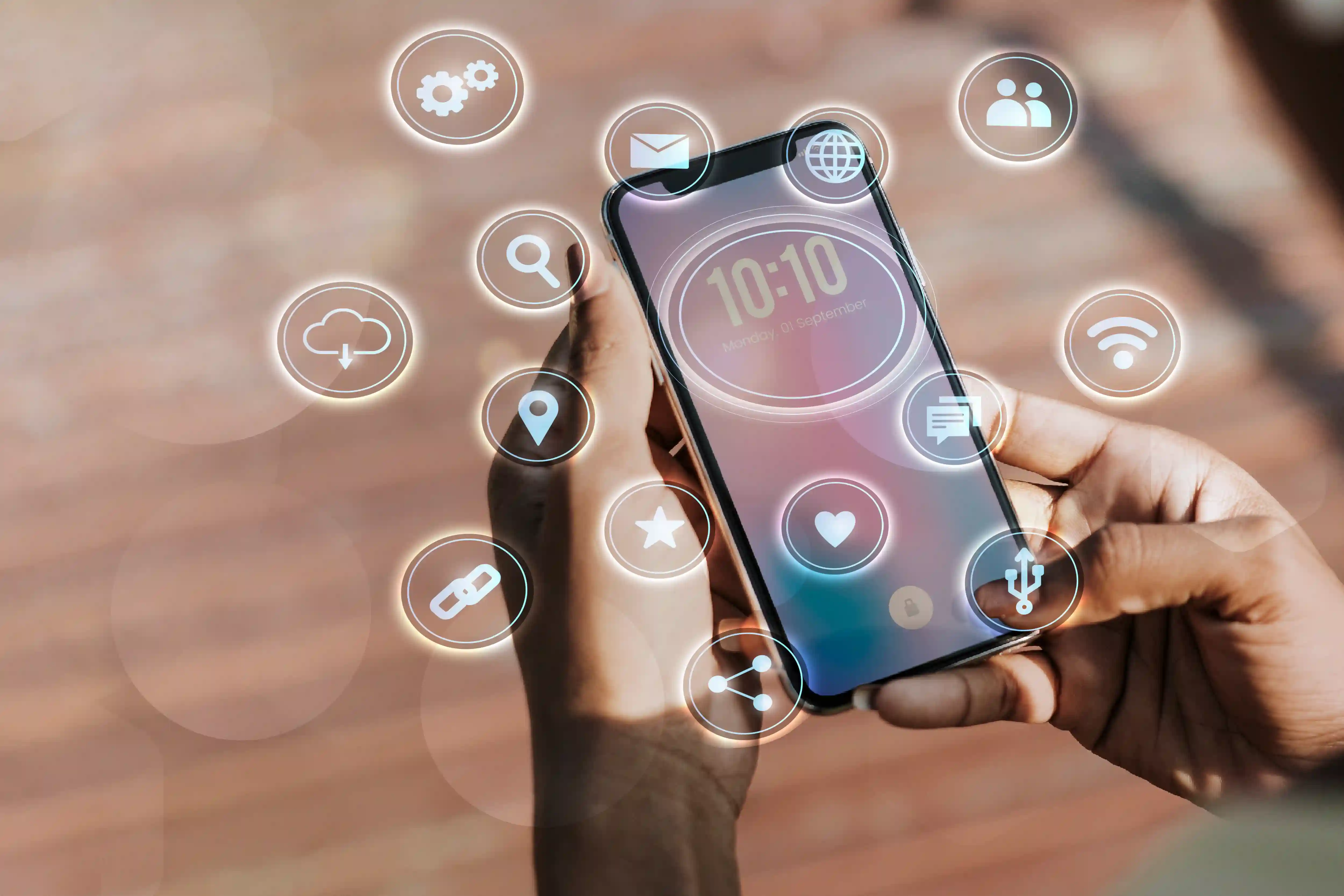
The Evolution of Smartphones: How Pocket Technology Transformed Our Lives
The evolution of smartphones over the past two decades has been nothing short of revolutionary. Initially, mobile phones were merely tools for communication, but the introduction of smartphones transformed them into powerful pocket-sized computers. The launch of the first iPhone in 2007 was a pivotal moment that shifted the focus from basic telephony to a multi-functional device that integrates calling, web browsing, and applications into one sleek interface. Today, smartphones are equipped with advanced features like artificial intelligence, high-resolution cameras, and extensive app ecosystems, making them indispensable to our daily lives.
As smartphones continue to evolve, their impact on society deepens. They facilitate instant communication and access to information, fundamentally changing how we interact with the world around us. The convenience of having a wealth of knowledge and tools at our fingertips has led to increased productivity as well as new forms of social connectivity. However, the rise of these devices also raises important questions about privacy and dependency. It is essential to remain aware of the challenges that accompany the convenience of pocket technology as we embrace its benefits.
Counter-Strike is a popular first-person shooter game that pits teams of terrorists against counter-terrorists in various objective-based scenarios. Players can choose to engage in competitive matches or casual gameplay, showcasing their skills and teamwork. For gamers who want to level up their gear, check out the Top 10 iPhone leather cases to protect their devices while gaming on the go.
10 Ways Smartphones Enhance Your Daily Experience
Smartphones have become an integral part of our daily lives, providing numerous benefits that enhance our overall experience. One of the most significant advantages is the access to information. With just a few taps, users can find answers to questions, discover new recipes, or learn about current events. This instant access helps individuals make informed decisions and stay updated, which can be a game-changer in both personal and professional settings.
Another way smartphones enhance our daily experience is through communication. Gone are the days of waiting for a letter to arrive or be tethered to a landline. Smartphones enable instant messaging, video calls, and social media interactions, allowing users to connect with friends, family, and colleagues regardless of distance. This level of connectivity fosters relationships and promotes collaboration, which can significantly improve one’s quality of life.
Are Smartphones Making Us Smarter or Less Connected?
In the age of smartphones, the debate surrounding their impact on our intelligence and social connectivity is more relevant than ever. While these devices offer a wealth of information at our fingertips, enabling us to rapidly access knowledge, the question arises: are they making us smarter? Research suggests that smartphones can enhance our learning processes through applications that promote productivity and cognitive growth. For instance, educational apps and online courses make it easier to learn new skills or subjects, ultimately broadening our horizons.
However, the convenience of smartphones comes with its drawbacks, particularly in terms of human connection. With the rise of social media and instant messaging, face-to-face interactions are often sacrificed for virtual conversations. This shift can lead to feelings of isolation, as individuals may find themselves physically surrounded by others yet emotionally distant. In conclusion, while smartphones have the potential to make us smarter by enhancing our access to knowledge, they also risk making us less connected on a personal level, highlighting the dual-edged nature of modern technology.