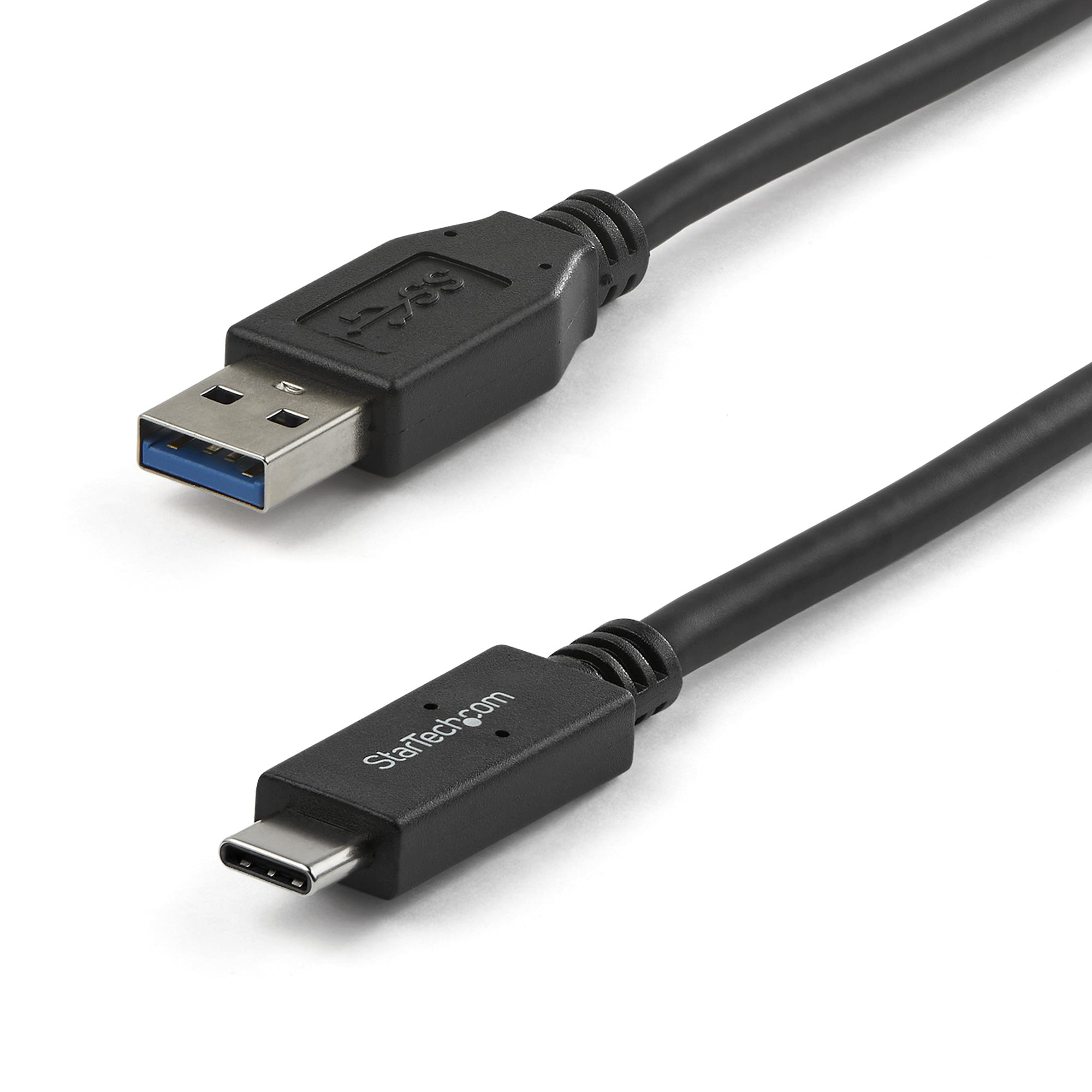
Understanding USB-C: How It Revolutionizes Connectivity
USB-C has emerged as the universal standard for modern connectivity, revolutionizing how we charge devices, transfer data, and connect peripherals. Unlike its predecessors, USB-C features a reversible connector that makes plugging in a breeze, eliminating the frustration often associated with previous USB versions. Beyond its ease of use, USB-C also supports a variety of protocols, enabling not just data transfer but also video output and power delivery up to 100 watts. This versatility allows users to connect everything from smartphones and laptops to external displays and docks, streamlining the user experience immensely.
Moreover, the impact of USB-C extends beyond individual consumers to the landscape of technology as a whole. As manufacturers increasingly embrace this standard, the need for multiple chargers and cables is diminishing, leading to a more sustainable and clutter-free environment. Additionally, USB-C facilitates faster data transfer rates, often reaching up to 10Gbps or more with the latest versions, which can be a game-changer for creative professionals and businesses that rely on swift data exchange. In summary, understanding USB-C not only highlights its immediate benefits but also emphasizes its pivotal role in shaping the future of connectivity.
Counter-Strike is a popular multiplayer first-person shooter game that has captivated gamers around the world. Players can choose to be on the terrorist or counter-terrorist side, with objectives that vary from bomb defusal to hostage rescue. For players looking to enhance their gaming experience with faster charging solutions, check out the Top 10 fast chargers for iphone to ensure your devices are always ready for action.
Top 5 Reasons USB-C is the Future of Power and Data Transfer
USB-C is rapidly becoming the definitive standard for power and data transfer across a multitude of devices, and here are the top 5 reasons why it is considered the future of connectivity:
- Universal Compatibility: One of the standout features of USB-C is its ability to connect various devices seamlessly. From smartphones and laptops to tablets and peripherals, USB-C serves as a universal port that eliminates the need for multiple cables and adapters.
- Enhanced Data Transfer Speeds: With data transfer rates capable of reaching up to 10 Gbps and beyond, USB-C significantly outperforms its predecessors. This ensures you can quickly transfer large files, making it ideal for professionals who rely on swift and efficient data management.
- Power Delivery Capability: USB-C supports Power Delivery (PD), which means it can deliver up to 100W of power to charge devices. This makes it possible to use USB-C not only for small gadgets but also for charging larger devices, like laptops, reducing the need for a separate power adapter.
- Reversible Design: The USB-C connector is reversible, allowing users to plug it in either way. This design simplicity enhances the user experience, making it more convenient than older USB versions.
- Future-Proof Technology: As technology continues to evolve, USB-C is expected to adapt, supporting future innovations in data speeds and power delivery. Its widespread adoption indicates a move towards a standardized approach, ensuring longevity and relevance in tech ecosystems.
Is USB-C Compatible with Your Devices? A Comprehensive Guide
As technology continues to evolve, the relevance of USB-C has grown significantly, making its compatibility with various devices a common concern among users. This versatile port is designed to support a wide range of functionalities, including charging, data transfer, and even video output. To understand if your devices are compatible with USB-C, first, check the device specifications for any mention of this connector type. Most modern smartphones, laptops, tablets, and peripherals such as headphones or external drives now embrace USB-C for its convenience and universal applicability.
To help you determine USB-C compatibility, consider the following categories of devices:
- Smartphones: Many flagship models from brands like Apple, Samsung, and Google now feature USB-C ports.
- Laptops: Most new laptops, especially from Dell, HP, and Apple, utilize USB-C for charging and connectivity.
- Peripherals: Check whether your accessories, such as monitors, mice, and keyboards, come with USB-C support.
In summary, while USB-C is growing in compatibility across various devices, it is crucial to verify each device's specifications to ensure seamless integration and functionality.