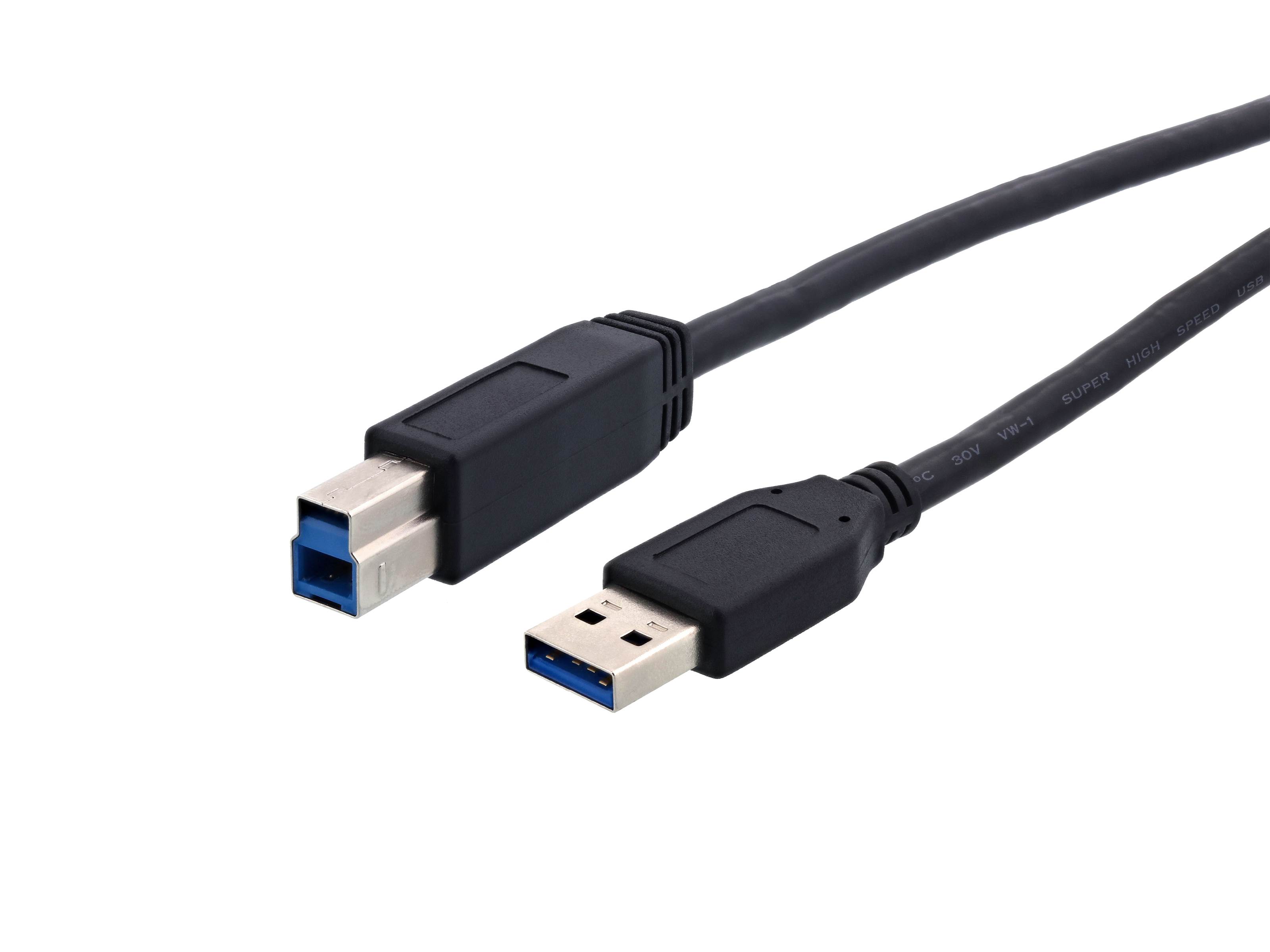
10 Surprising Uses for USB: Beyond Data Transfer
The versatility of USB (Universal Serial Bus) goes far beyond its primary purpose of facilitating data transfer. In fact, there are numerous surprising uses for USB that can enhance productivity and streamline daily tasks. For example, did you know that USB ports can be used to charge devices? Whether it's your smartphone, tablet, or even a portable game console, many devices can be charged conveniently through a USB port. Additionally, USB-powered lights and fans can offer localized illumination or cooling, making them perfect for late-night working sessions or hot summer days.
Moreover, some innovative uses of USB include surprising gadgets that you might not expect. For instance, USB hub extenders allow users to expand their port availability, ensuring you can connect multiple devices simultaneously. Another intriguing use is the USB-powered coffee warmer, which keeps your cup of joe at the perfect temperature while you work away at your desk. And let's not forget about the fantastic world of USB flash drives - not only do they serve as useful storage devices, but many creative designs, like those shaped as cartoon characters or keychains, also function as fun accessories. Exploring these unexpected uses for USB can truly enhance your tech-savvy lifestyle.
Counter-Strike is a popular tactical first-person shooter that pits teams of terrorists against counter-terrorists in various game modes. Players need to work together to achieve objectives, whether that involves planting bombs, rescuing hostages, or simply eliminating the opposing team. In the evolving landscape of gaming, similar strategic thinking is also important in fields like tech and infrastructure; for example, understanding the Top 10 charging stations can enhance your gaming experience by ensuring your devices stay powered up during intense matches.
How USB Technology Has Revolutionized Our Daily Lives
USB technology has dramatically transformed how we connect and interact with various devices in our daily lives. The development of the Universal Serial Bus (USB) standard in the mid-1990s simplified the connection of peripherals to computers by providing a single, interchangeable interface for power and data transfer. Today, USB technology is ubiquitous, enabling seamless connections between devices such as smartphones, tablets, cameras, and external hard drives. One of the most significant advancements is the introduction of USB-C, which offers faster data transfer speeds and reversible design, making it more user-friendly and efficient. This versatility has led to the decline of numerous other connection types, streamlining our tech experience.
Moreover, the impact of USB technology extends beyond personal devices; it has influenced both the business and educational sectors significantly. For instance, many modern office setups rely on USB hubs and docking stations to keep workspaces organized and efficient. In education, USB flash drives have become essential tools for students and educators alike, facilitating easy file sharing and data transfer. Consequently, the convenience and efficiency provided by USB technology have enabled increased productivity and better collaboration in various settings. As we continue to rely on digital solutions, the role of USB technology in our lives is more important than ever.
Is Your USB Connection Slowing You Down? Here's What You Need to Know
In today's fast-paced digital world, a sluggish USB connection can significantly hinder your productivity. Whether you're transferring large files, syncing devices, or simply charging your gadgets, it's essential to understand how USB connection speeds can impact your daily tasks. To diagnose if your USB connection is below par, consider checking the following:
- Device compatibility.
- USB version (2.0 vs 3.0 or 3.1).
- Quality of cables and connectors.
If you've identified that your USB connection is indeed slowing you down, there are several strategies you can employ to enhance performance. Upgrading to a higher version of USB, like 3.1, can provide faster data transfer speeds. Additionally, investing in high-quality cables and hubs can prevent data bottlenecks. It's also worthwhile to ensure that your devices are not overburdened by multitasking, which can affect their USB connection efficiency. By taking these steps, you can ensure that your USB connection won't hold you back in a tech-driven environment.