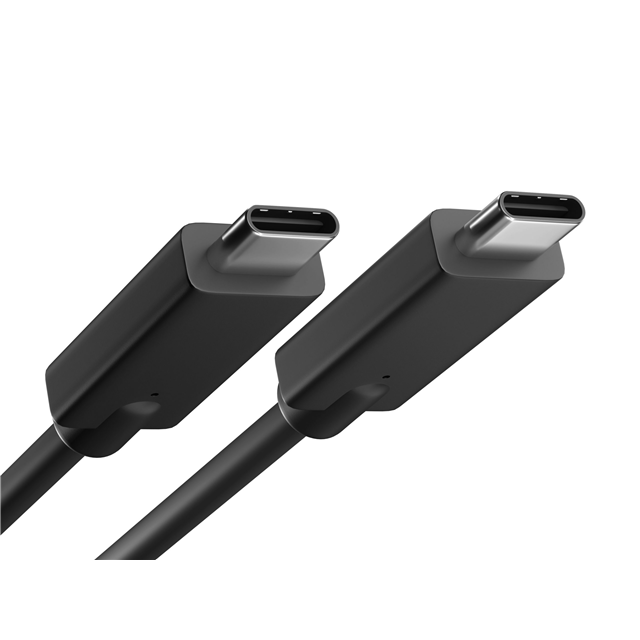
The Versatility of USB-C: Exploring Its Numerous Applications
The USB-C standard has rapidly gained popularity due to its remarkable flexibility and extensive range of applications. Initially designed for data transfer and charging, USB-C has evolved to accommodate various functions, making it a ubiquitous connector in modern technology. Its ability to deliver power, transfer data, and transmit video through a single cable has streamlined the user experience, eliminating the need for multiple cords. In fact, many electronic devices, from laptops and smartphones to gaming consoles and peripherals, now support USB-C, showcasing its versatility.
Moreover, the applications of USB-C extend beyond just connecting devices. For instance, many manufacturers have adopted the standard for their accessories, such as docking stations and adapters, which enhance productivity by allowing multiple devices to connect simultaneously. The support for various protocols, including DisplayPort and Thunderbolt 3, enables high-definition video output and faster data transfer rates. As industries move towards a universal cable standard, the widespread adoption of USB-C not only improves compatibility but also contributes to reducing electronic waste, making it a sustainable choice for the future.
Counter-Strike is a popular first-person shooter game that pits two teams against each other: the terrorists and the counter-terrorists. Players can choose from a variety of weapons and strategies to complete objectives and defeat the opposing team. For those looking to enhance their gaming experience, check out these Top 10 MacBook Accessories for Office that can significantly improve performance and comfort while playing.
USB-C vs. Traditional Connectors: Why USB-C Reigns Supreme
In today's tech-driven world, the debate between USB-C and traditional connectors has become increasingly prominent. USB-C, known for its reversible design, allows users to connect devices either way, eliminating the frustration often associated with traditional connectors like USB-A and USB-B. Moreover, USB-C supports a range of functionalities, including data transfer, video output, and fast charging, all through a single port. This multifunctionality is a significant step forward, consolidating various cables and simplifying the user experience.
Another major advantage of USB-C is its capability for higher power delivery and faster data transfer rates. Unlike traditional connectors that offer limited bandwidth, USB-C can provide up to 100W of power and transfer data at speeds of up to 10Gbps. This capability not only enhances device performance but also keeps up with the growing demand for faster and more efficient technology. As more manufacturers shift towards this universal standard, it is clear that USB-C reigns supreme in the ever-evolving landscape of connectivity.
Is USB-C the Future of Connectivity? Here's What You Need to Know
The emergence of USB-C technology has revolutionized the way we think about connectivity. Unlike its predecessors, this versatile standard offers a universal plug that supports various functions such as data transfer, video output, and power delivery all through a single cable. As more devices, from smartphones to laptops, adopt this technology, it's clear that USB-C is paving the way for a more streamlined and efficient user experience. With its potential to replace multiple cables, it addresses one of the biggest frustrations for consumers: cable clutter.
Furthermore, the increasing adoption of USB-C across major tech brands signals its emerging dominance in the market. For example, many flagship devices now feature this port, allowing for quicker charging times and faster data transfer rates. As manufacturers continue to phase out older USB standards, the momentum behind USB-C is hard to ignore. In conclusion, if you're not already using a USB-C device, it may be time to consider making the switch, as this technology not only simplifies connectivity but could also be the key to future advancements in the tech industry.