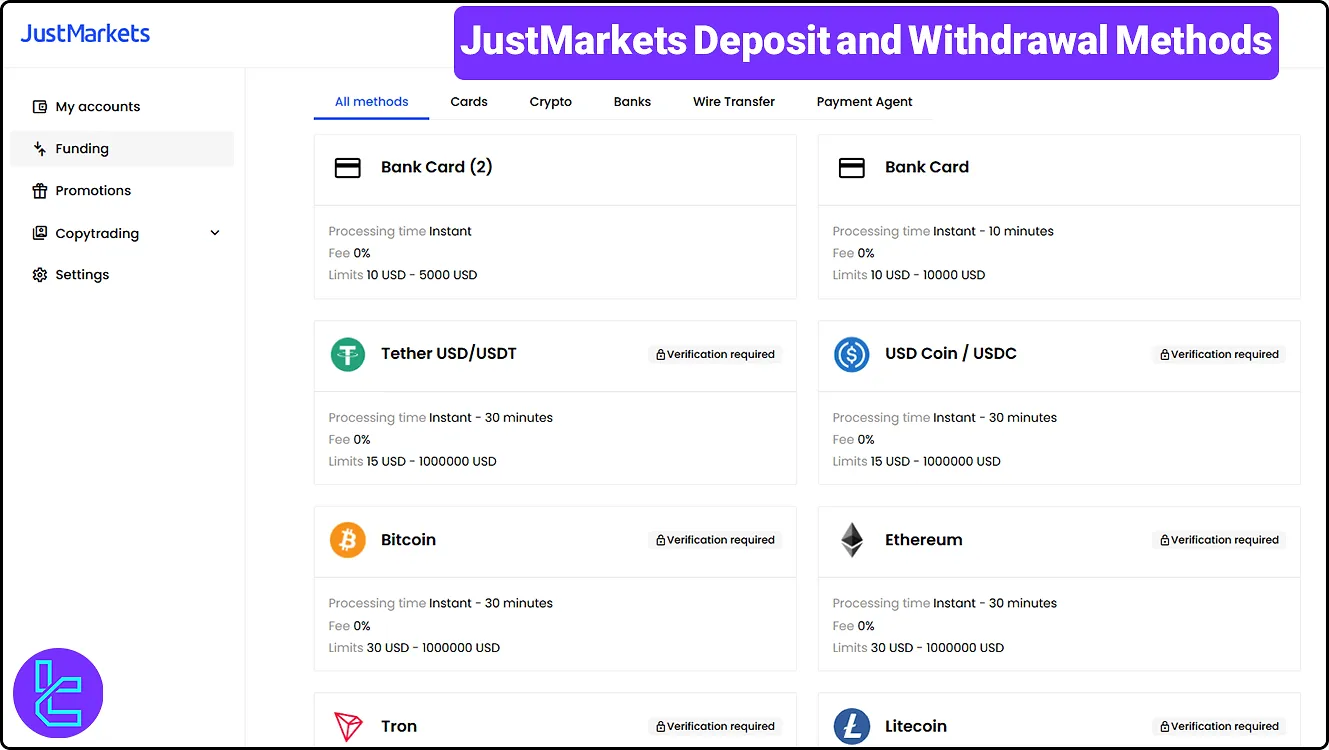
Understanding Deposit Methods: A Comprehensive Guide
When it comes to making deposits, understanding the various deposit methods available is crucial for both new and experienced users. Different platforms offer diverse options, which can cater to varying needs and preferences. The most common deposit methods include:
- Bank Transfers: These are traditional methods that allow users to transfer funds directly from their bank accounts.
- Credit/Debit Cards: Fast and convenient, card transactions are popular for making instant deposits.
- E-Wallets: Digital wallets like PayPal, Skrill, and Neteller facilitate quick and secure deposits.
- Cryptocurrencies: An increasingly popular method, cryptocurrencies provide anonymity and lower transaction fees.
It's important to examine the strengths and weaknesses of each of these deposit methods to find the one that best suits your needs. For instance, while bank transfers may offer security and reliability, they can be slower compared to e-wallet deposits. Credit and debit cards are generally more user-friendly but may incur extra fees. E-wallets provide an excellent balance of speed and security, but not everyone may feel comfortable using them. Lastly, cryptocurrencies are ideal for tech-savvy individuals, but they come with their own set of risks and volatility. Understanding these factors will help you make informed decisions when it comes to depositing your funds.
To get an amazing discount on your next purchase, be sure to check out the shuffle promo code available now.
The Pros and Cons of Different Withdrawal Options
When considering withdrawal options, it's essential to weigh the pros and cons of each to make an informed decision. One popular option is bank transfers, which are typically secure and straightforward but may incur fees and take several days to process. Alternatively, e-wallets like PayPal or Skrill offer faster transaction times and are user-friendly, yet they may have limitations on the amount you can withdraw at once. Moreover, cryptocurrency withdrawals have gained traction for their anonymity and speed, but they come with volatility risks and potential legal regulations in some regions.
On the downside, traditional methods such as checks can be inconvenient due to mailing times and the need for physical deposits. Credit card withdrawals may seem appealing due to their immediacy; however, they often attract higher fees and may lead to credit card debt if not managed wisely. Each option has its unique set of advantages and disadvantages, making it crucial to consider your priorities, such as speed, security, and cost, before selecting the best withdrawal method for your financial needs.
What You Need to Know About Fees and Processing Times for Deposits and Withdrawals
When it comes to managing your finances, understanding the fees and processing times associated with deposits and withdrawals is crucial. Different financial institutions, be it banks or online payment platforms, often have varying policies that can affect how quickly your funds are accessible and what charges may apply. For instance, many banks might offer free deposits, while others might impose fees on certain types of transactions. Additionally, processing times can vary significantly; deposits made via electronic transfers may be instant, whereas checks can take several days to clear.
To avoid any surprises, it is essential to read the fine print and ask your bank or payment service provider about their specific fees and processing times. Consider creating a list of common deposit and withdrawal methods along with their associated fees and timeframes. For example:
- Direct bank transfer: Usually free, processing time 1-3 business days.
- Credit/debit card deposits: May incur a fee, typically processed instantly.
- Wire transfers: Can have high fees, generally processed same-day if initiated before cut-off times.