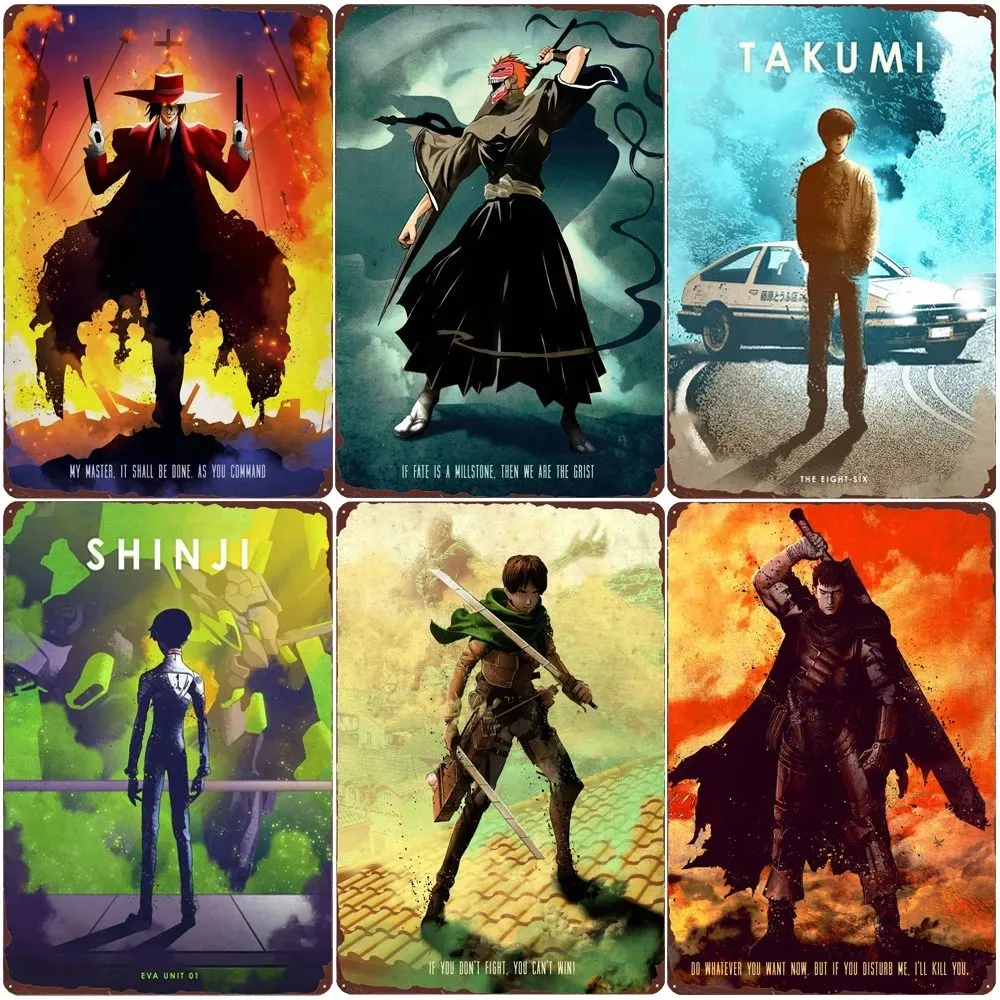
The Timeless Appeal of Retro Style Anime Posters: Why Nostalgia Never Goes Out of Fashion
The timeless appeal of retro style anime posters lies in their ability to evoke feelings of nostalgia while capturing the vibrant artistry of a bygone era. These posters, often characterized by their distinctive color palettes, hand-drawn illustrations, and unique typography, transport fans back to a time when anime was still emerging as a cultural phenomenon. Many enthusiasts cherish these artworks not only for their visual aesthetics but also for the memories associated with the shows and films they represent. By incorporating retro anime posters into their decor, fans can create a personal sanctuary that pays homage to the series that shaped their childhood.
Moreover, the resurgence of interest in retro style has provided a fresh perspective for modern audiences. As trends in art and design evolve, the nostalgia attached to these vintage posters continues to resonate with both die-hard fans and new viewers alike. Exhibitions celebrating retro anime have been gaining popularity, and platforms for artists to reinterpret iconic posters have flourished. Consequently, the appreciation for these artworks extends beyond mere decoration; they serve as a bridge connecting generations of anime lovers and reminding us that the stories and emotions captured within these pieces remain relevant, proving that nostalgia never goes out of fashion.
If you're a fan of the iconic series, the dragon ball shop offers a wide range of merchandise, including figures, clothing, and accessories that celebrate the adventures of Goku and his friends. From collectibles to everyday apparel, there's something for every Dragon Ball enthusiast!
Exploring the Artistry Behind Vintage Anime Posters: A Journey Through Time
The world of vintage anime posters is a captivating blend of artistic expression and cultural nostalgia. Exploring the artistry behind these unique pieces of history offers insight into the evolution of anime as a popular art form. From the bold colors and stylized characters that define the genre to the intricate designs that reflect the era in which they were created, these posters serve as a window into the past. Collectors and enthusiasts alike appreciate the meticulous craftsmanship involved, with each poster telling a story that resonates with fans of all ages.
As we embark on this journey through time, it becomes clear that vintage anime posters are more than mere promotional materials; they are artifacts that capture the spirit of their respective decades. Iconic titles from the 70s, 80s, and 90s are often represented by striking imagery that draws viewers in, inviting them to explore diverse narratives and characters. By examining the visual styles and themes prevalent in these posters, we can gain a deeper understanding of how they have influenced contemporary anime and design culture, solidifying their place as treasured pieces of art.
How Retro Anime Posters Influence Modern Aesthetics: Are We Losing the Magic?
The resurgence of retro anime posters has sparked a fascinating dialogue about their influence on contemporary aesthetics. These vibrant artworks, characterized by bold colors, whimsical characters, and intricate designs, have made a significant comeback in recent years. As modern creators draw inspiration from these nostalgic visuals, we see a blend of old and new styles emerging in graphic design, fashion, and even home decor. However, are we losing the magic that initially attracted us to these iconic images? The answer may lie in how closely we adhere to the playful spirit that defines retro anime.
Despite their popularity, there is a growing concern that the commercialization of retro themes could dilute their original charm. Many art enthusiasts argue that as these retro anime posters become mainstream, they risk losing the very essence that made them captivating. In an era dominated by fast fashion and fleeting trends, the unique storytelling and cultural depth found in classic anime artwork could be overlooked. To maintain the magic, creators must not only celebrate these vintage aesthetics but also infuse them with modern sensibilities, ensuring that they resonate with today's audience without compromising their roots.