Understanding the Game: Bitcoin vs. Ethereum for Crypto World Cup Bets (Explainer + Common Questions)
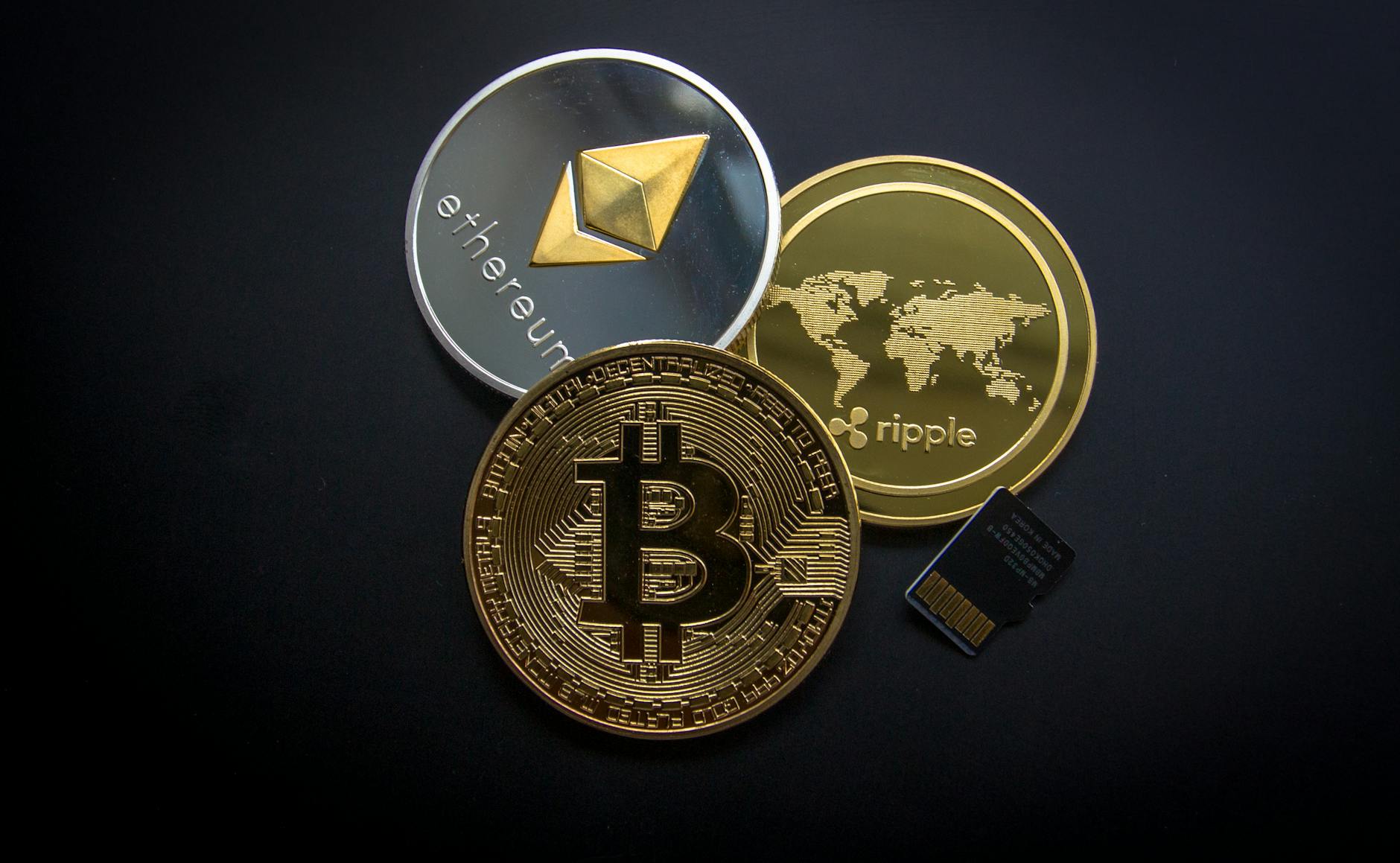
When placing your bets for the Crypto World Cup, understanding the fundamental differences between Bitcoin (BTC) and Ethereum (ETH) is paramount. Imagine Bitcoin as the undisputed heavyweight champion – a singular, powerful force, revered for its security and store-of-value proposition. Its finite supply and decentralized nature make it a digital gold, often seen as a safer, more stable long-term bet, less prone to dramatic shifts based on technological innovations within its own network. On the other hand, Ethereum is the agile, innovative contender, constantly evolving. It's not just a cryptocurrency; it's a platform for decentralized applications (dApps), NFTs, and the entire DeFi ecosystem. This inherent utility means its price often reflects the health and growth of these underlying projects. So, are you backing the established champ or the dynamic innovator?
Choosing between Bitcoin and Ethereum for your Crypto World Cup wagers boils down to your risk tolerance and investment thesis. For those seeking a more predictable, macro-driven play, Bitcoin's position as the market leader and inflation hedge might be your go-to. Its price movements often dictate the broader market, making it a strong contender if you believe in sustained institutional adoption. However, if you're looking for higher growth potential and are willing to embrace the volatility that comes with a rapidly developing ecosystem, Ethereum presents a compelling case. Its ongoing transition to Ethereum 2.0 (The Merge and subsequent upgrades) promises increased scalability and efficiency, potentially unlocking exponential growth. Consider these key questions before placing your chips:
- Are you betting on a store of value or a utility-driven platform?
- Do you prefer established stability or disruptive innovation?
- How much weight do you give to network effect versus technological development?
In the exciting realm of web3, the World Cup takes on a new dimension, offering decentralized betting opportunities that leverage blockchain technology for transparency and security. Enthusiasts can now engage in web3 World Cup betting, placing wagers using various cryptocurrencies on platforms that eliminate traditional intermediaries. This innovative approach promises a more equitable and verifiable betting experience, aligning with the core principles of decentralization and user empowerment in the digital age.
Placing Your Bets: Practical Tips for Choosing Between Bitcoin and Ethereum (Practical Tips + Common Questions)
When it comes to deciding between Bitcoin and Ethereum, a pragmatic approach is key. Don't just follow the latest hype; instead, consider your personal investment goals and risk tolerance. Are you looking for a store of value, a digital gold that's relatively stable and has a proven track record? Then Bitcoin might be your bet, given its established position and limited supply. However, if you're intrigued by the potential for decentralized applications (dApps), smart contracts, and a rapidly evolving ecosystem, Ethereum could be more compelling. Ask yourself: "Am I more interested in preserving capital or participating in cutting-edge technological development?" Your answer will significantly guide your choice, helping you navigate the often-turbulent waters of cryptocurrency investment.
Beyond your core investment philosophy, delve into the practicalities of each network. Consider factors like transaction fees (gas fees on Ethereum can fluctuate wildly), transaction speed, and overall network security. For instance, if you anticipate frequent, smaller transactions, you might want to research the current average fees for both. Furthermore, think about the long-term roadmap for each project. Ethereum is undergoing a significant transition to Proof-of-Stake with its 'Merge' and subsequent upgrades, promising scalability and efficiency improvements. Bitcoin, while generally more conservative, also sees continuous development to enhance its network. Staying informed about these developments, rather than relying solely on past performance, is crucial for making a well-rounded and sustainable investment decision.