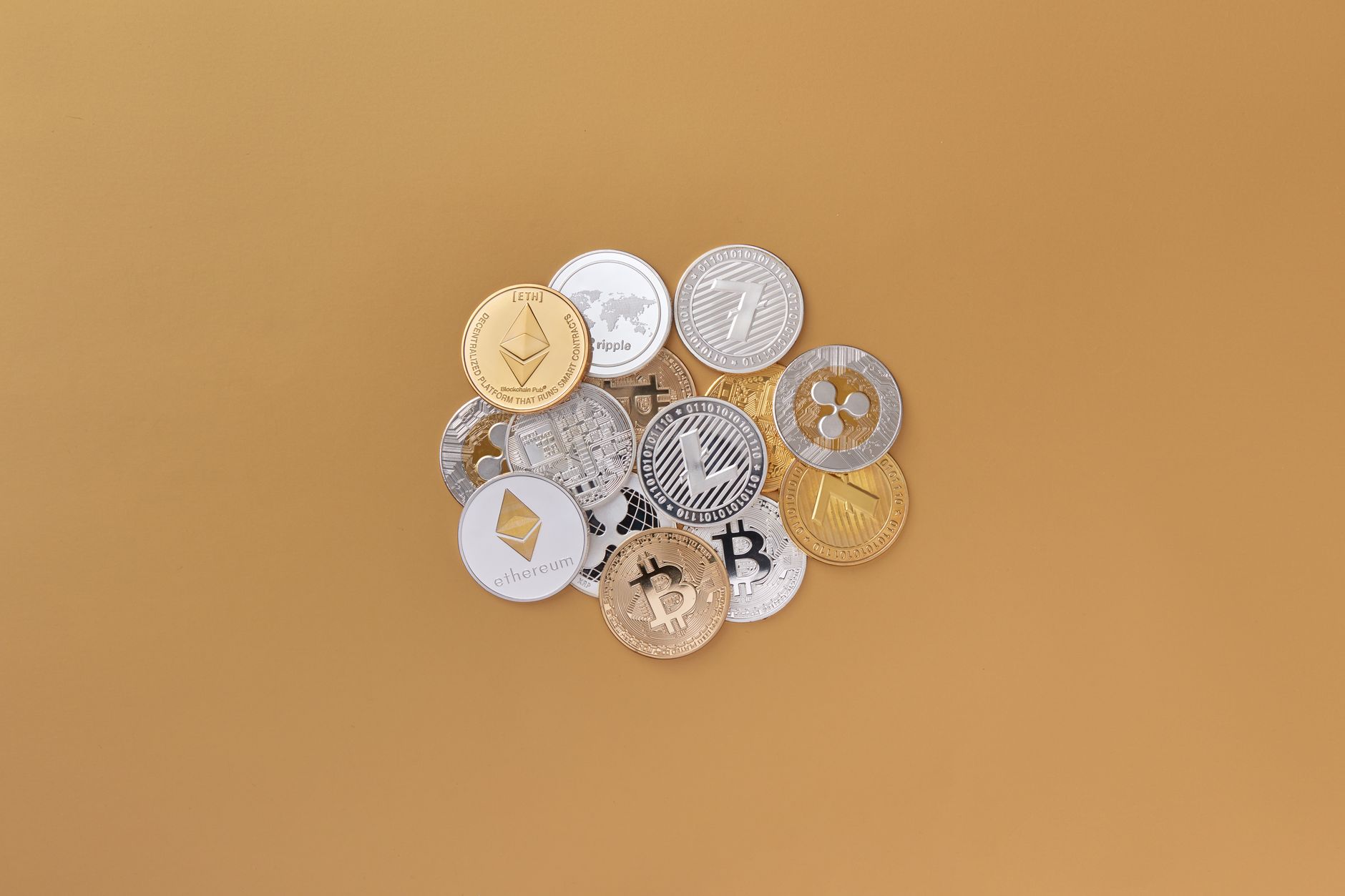
Understanding Crypto Bets: From Fiat to Decentralized Winnings (Explainers & Common Questions)
Crypto betting fundamentally transforms traditional wagering by leveraging blockchain technology. Unlike conventional fiat-based systems where a central authority manages funds and verifies outcomes, crypto bets often operate on a decentralized model. This means transactions are recorded on an immutable ledger, offering enhanced transparency and auditability. Early forms might have involved simply using cryptocurrencies like Bitcoin to fund accounts on existing platforms, but the evolution now includes highly specialized decentralized applications (dApps) where smart contracts automate payouts and enforce rules. Understanding this shift is crucial, as it impacts everything from withdrawal speeds and transaction fees to the very trust mechanisms underpinning the entire betting process. The move from centralized fiat to decentralized crypto isn't just a currency swap; it's a paradigm shift in how trust and value are exchanged in the world of online gambling.
Navigating the landscape of crypto bets necessitates understanding the various platforms and how winnings are processed. For instance, some platforms might still bridge the gap, allowing deposits in crypto but converting them internally to a stablecoin for betting, then back to crypto or even fiat for withdrawal. However, true decentralized betting platforms (dApps) operate almost exclusively with cryptocurrencies, often utilizing specific tokens for staking, governance, or even the bets themselves. Common questions arise regarding:
- Wallet compatibility: Which wallets are supported for deposits and withdrawals?
- Network fees (gas fees): How do these impact profitability, especially for smaller bets?
- Smart contract audits: How can users verify the security and fairness of the dApp's underlying code?
Excitement builds as the World Cup approaches, and many fans are looking for new ways to engage with the tournament. One increasingly popular option is to bet on world cup with crypto, offering a decentralized and often more private betting experience. This method allows users to leverage various cryptocurrencies for their wagers, adding a modern twist to traditional sports betting.
Placing Your Bets: Practical Tips for Navigating the Crypto World Cup Betting Landscape
Navigating the Crypto World Cup betting landscape requires more than just a passing interest in football or cryptocurrency; it demands a strategic approach honed by practical tips. First and foremost, consider the reputation and security of the platforms you choose. Are they decentralized exchanges with verifiable smart contracts, or centralized bookmakers with a strong track record of payouts and customer support? Research their tokenomics and ensure the underlying crypto assets are robust and liquid. Furthermore, understand the different betting markets available – from traditional match outcomes to more exotic prop bets on player performance or even blockchain-specific events. Diversifying your bets across various platforms and market types can mitigate risk, but always remember to only stake what you can afford to lose, as the volatile nature of crypto adds an extra layer of unpredictability to sports betting.
Beyond platform selection, effective risk management and research are paramount.
- Set clear betting limits and stick to them rigorously, treating your betting wallet as a distinct entity from your investment portfolio.
- Dive deep into team and player statistics, recent form, and head-to-head records, just as you would with traditional sports betting.
- However, also factor in the unique crypto elements: are there community-driven predictions on certain platforms? Are specific NFTs or tokens offering unique betting advantages or bonuses?