Understanding the Shift: Why Decentralized Sportsbooks are Gaining Traction (and How They Work)
The traditional sports betting landscape, long dominated by centralized bookmakers, is experiencing a significant upheaval with the emergence of decentralized sportsbooks. This shift isn't merely a trend; it's a fundamental re-evaluation of how betting operates, driven by a growing demand for transparency, security, and user control. Centralized platforms often face scrutiny over their odds setting, payout reliability, and data privacy practices. Decentralized alternatives, built on blockchain technology, directly address these concerns by offering an immutable, auditable record of all transactions. This inherent transparency fosters a higher degree of trust among bettors, who can verify outcomes and fund movements without relying on a single, opaque entity. Consequently, the allure of a fairer and more secure betting environment is a primary catalyst for their increasing popularity.
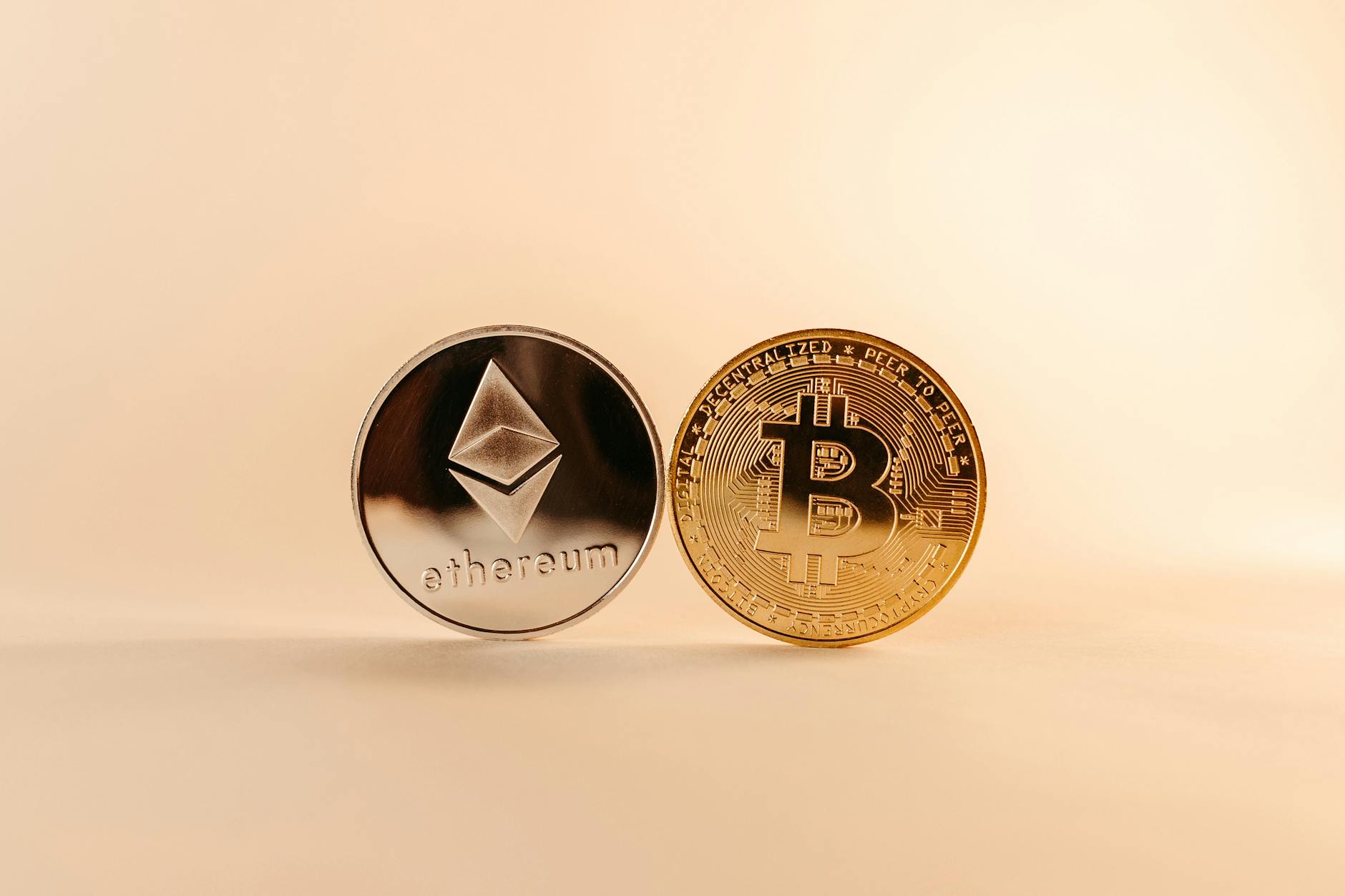
So, how exactly do these decentralized sportsbooks function? At their core, they leverage smart contracts on a blockchain, typically Ethereum, to automate betting processes. When a bet is placed, funds are locked into a smart contract. Once the event concludes and the outcome is verified (often by decentralized oracles that feed real-world data onto the blockchain), the smart contract automatically disburses winnings to the successful bettors. This eliminates the need for intermediaries, reducing operational costs and potential for manipulation. Furthermore, many decentralized platforms are governed by their communities through DAO (Decentralized Autonomous Organization) structures, allowing token holders to vote on key decisions like odds methodologies, new markets, and platform development. This participatory model empowers users and fosters a sense of ownership, distinguishing them significantly from their centralized predecessors.
Decentralized betting platforms leverage blockchain technology to offer a transparent and secure alternative to traditional bookmakers. These platforms remove the need for intermediaries, allowing users to place wagers directly and ensuring fairness through smart contracts. This innovative approach to decentralized betting is gaining traction due to its enhanced privacy and resistance to censorship.
Making the Leap: Practical Steps to Betting on Decentralized Platforms & Answering Your FAQs
Ready to dive into the exciting world of decentralized betting? The first practical step involves acquiring cryptocurrency, typically Ethereum (ETH) or another compatible token, which will serve as your digital currency for placing wagers. This can be done through various centralized exchanges like Coinbase or Binance. Once you have your crypto, you'll need a non-custodial wallet, such as MetaMask, to securely store your funds and interact with decentralized applications (dApps). Navigate to your chosen decentralized betting platform – popular options include Augur, Polymarket, or Gnosis Safe – and connect your wallet. Familiarize yourself with their interface, which often involves browsing markets, understanding odds (which are typically displayed in crypto terms), and placing your bet using the connected wallet. Always remember to double-check transaction details before confirming to avoid errors on the blockchain.
We understand you might have some burning questions before making the leap. Here are a few frequently asked questions (FAQs) to guide you:
Always prioritize platforms with a strong reputation and a transparent history of operations to ensure a smoother betting experience.
- Is decentralized betting legal? The legality varies significantly by jurisdiction. It's crucial to research your local laws before participating.
- How secure are these platforms? While decentralized platforms aim for transparency and immutability through blockchain technology, the security of your funds ultimately rests on your wallet's security and your understanding of smart contract interactions.
- What are the fees involved? Transaction fees (gas fees) on the blockchain can fluctuate. Some platforms may also charge a small commission.
- What if I have an issue with a bet? Disputes on decentralized platforms are often resolved through community consensus or pre-defined smart contract logic, offering a different resolution mechanism than traditional bookmakers.